How fast should you ring a new valuation lead?
Within five minutes if you can, and inside the hour at the very latest. It sounds over the top until you see the numbers: in the Lead Response Management Study, the odds of qualifying a lead dropped 21 times over when the first call went out at 30 minutes instead of five.

What the numbers say about speed
Picture it from the homeowner’s side. It’s twenty past eight on a Wednesday night, the kids are finally in bed, and they’ve just typed their address into an instant valuation tool to see what the place might fetch. Curious, a bit nosy, half thinking about a move. Who rings them, and when?
The research on this is blunt. The Lead Response Management Study, run with Professor James Oldroyd of MIT, went through three years of data from six companies: more than 15,000 web leads and over 100,000 call attempts. Leave it 30 minutes instead of five and the odds of qualifying the lead fell 21 times over. Even going from five minutes to ten cut them fourfold. The chances of getting hold of the person at all dropped more than tenfold inside the first hour.
There’s a second study, in Harvard Business Review in March 2011, covering 1.25 million sales leads at 42 US companies. Firms that tried to make contact within an hour were nearly seven times as likely to have a proper conversation with the decision maker as firms that left it even an hour longer, and more than 60 times as likely as firms that waited a day or more. When the same authors sent a test lead to 2,241 US companies, 23% never replied at all.
Neither study is about estate agency, and both are American, so take the exact numbers with a pinch of salt. The direction is hard to argue with, though. Every minute you leave it, the odds get worse.
They asked because they were thinking about it
Something made them ask. The house three doors down sold in a week, a baby’s on the way, or they’ve been arguing about the size of the garden for a year. Whatever it was, it’s on their mind right now, while the figure from your instant valuation tool is still sitting on the screen.
Ring them then and you’re the agent who was on the ball. Ring them on Friday and you’re a sales call. By Friday they may well have asked one or two other agents too, and whoever gets there first gets the conversation.
Homeowners expect it as well. Zoopla had YouGov ask 1,000 people who’d sold in the last five years, and published the results in November 2025: a quarter said anything over 60 minutes is too long for an agent to get back to them, and two thirds wanted a reply within four hours. Five minutes puts you comfortably ahead of that.
What to say on the first call
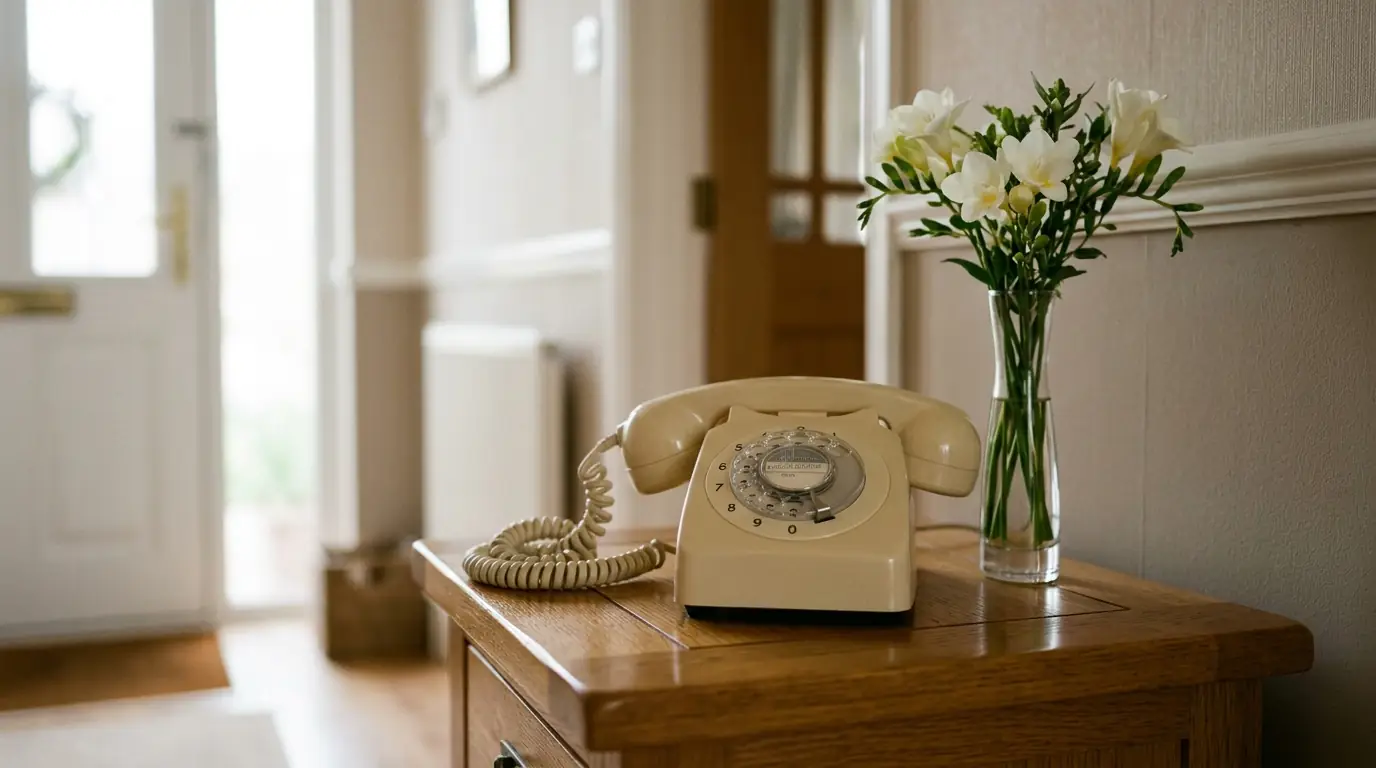
Keep it about them. Something like: “Hi, it’s Sam from Hartley and Co. You asked what your place on Elm Road might be worth, so I wanted to check the figure made sense to you.” Their home, their number. Your agency can wait.
- Ask what got them wondering. You’ll learn more from that answer than from anything else you ask.
- Be straight that an online figure is a starting point. A visit picks up what the data can’t, like the extension, the garden and the state of the kitchen.
- Offer a proper valuation when it suits them, and don’t push for a date if they’re not ready.
- If they’re not moving yet, ask if they’d like a short local market update once a month.
Five minutes on the phone is plenty. You’re after a second conversation; the instruction comes later.
Someone has to own the evenings and weekends

Homeowners do this stuff when they’re at home, which means evenings and weekends, which means exactly when your office is shut. A lead that lands at seven on a Friday and sits in the inbox until Monday has had all weekend to go cold.
So make it somebody’s job. Put the evenings and weekends on a rota, so everyone knows whose phone it is tonight and nothing falls between two people. And watch the late afternoon: in the Lead Response Management Study, calls between 4pm and 6pm got hold of people more often than at any other time of day, right when most offices start winding down.
You can only ring in five minutes if you know about the lead in five minutes. When a homeowner uses your Market Trak valuation tool, you get an email straight away with their name, phone number, address, estimated value and type of property, plus a notification on your phone if you’ve switched them on. Everything you need for the call is right there.
Find out how fast you really are
Most agents reckon they’re quick. It’s worth checking. For a month, jot down when each valuation lead came in and when someone first rang it. Look at the gaps, and look hardest at anything that arrived after six or on a Saturday.
Then try it from the other side. Get a friend to use your valuation tool on a Sunday evening and see what happens: who rings, how long it takes, what they say. If it’s Tuesday before anyone calls, well, there’s your answer, and it’s a lot cheaper to fix than buying more leads.
After that, set a target the whole office knows. Ours would be five minutes while the office is open and within the hour in the evenings and at weekends. Check it every month.
When they’re not ready yet
Most people who ask what their home’s worth aren’t selling this month. That’s fine. They’re next year’s instruction, as long as you’re still in touch when they’re ready.
Market Trak keeps every lead in one list and sends them a local market update from you every month, so when they do decide to move, you’re the estate agent they already know. If you want a hand writing an update people actually read, have a look at our guide to what goes in a local market update. The whole approach is on our lead generation for estate agents page.