What goes in a local market update that homeowners actually read?
One finding, not ten, in plain English. Say what it means for someone who owns a home in your patch, add what you saw yourself this week, and finish with one question back to them. Here is how to pick the finding, where the numbers come from and how to make the update yours.

Pick the finding a homeowner would repeat
A market update fails when it tries to say everything. Ten figures in one post, and nobody remembers any of them. Pick the one finding a homeowner would mention to a neighbour over the fence.
- How prices in your area this year compare with last year.
- What flats have sold for against houses.
- Which part of your patch has moved the most.
- How many homes have come up for sale this month against last.
If it would not survive being said out loud at a school gate, pick another one. Next month, pick a different finding. Over a year, the people following you build a picture of their market that nobody else gave them.
Where the numbers come from, and how old they are
The official source is HM Land Registry. Its UK House Price Index comes out monthly: the figures for August 2026 were published on 21 October 2026, with September's due on 18 November. Its Price Paid Data holds the sale prices of homes in England and Wales submitted to HM Land Registry for registration, so a sale only shows there once it has completed and been registered.
The national figure hides more than it shows. In August 2026 the average UK home was £273,000, up 0.9% on a year earlier, but prices in Wales were up 3.1% while England was up 0.4%. Your patch will have its own story, which is exactly why homeowners want to hear it from you rather than from the news.
Say what it means for the person reading
A homeowner does not care that prices moved 2%. They care what it means for them. So translate every figure: what it means if they were thinking of selling in the spring, whether it is a good time to extend or move, what buyers in the area are looking for.
Keep the language plain. “Homes in the area are selling for a little more than this time last year” beats a percentage to two decimal places. Then say it once and stop. Explaining the explanation is where most market updates lose people.
Tell it straight when the news is flat or falling. The agent who is honest in a quiet market is the one people believe when it picks up.
Add what only you know

The official figures always describe the past. What you saw this week is newer: how many viewings a new listing had, whether offers are coming in at the asking price, what the buyers registering with you are asking for. That is the part nobody else can give them, and it is what makes the update yours.
Talk about the market, never about a client. Do not share the details of a particular sale without your vendor's say so, and never anything about a buyer.
Let the picture do half the work
On social media the picture is what stops the scroll, so put the finding in it. One figure, large and easy to read, or a simple line showing which way prices have gone, does more than a paragraph of text underneath. Keep the words on the image short enough to read in a glance.
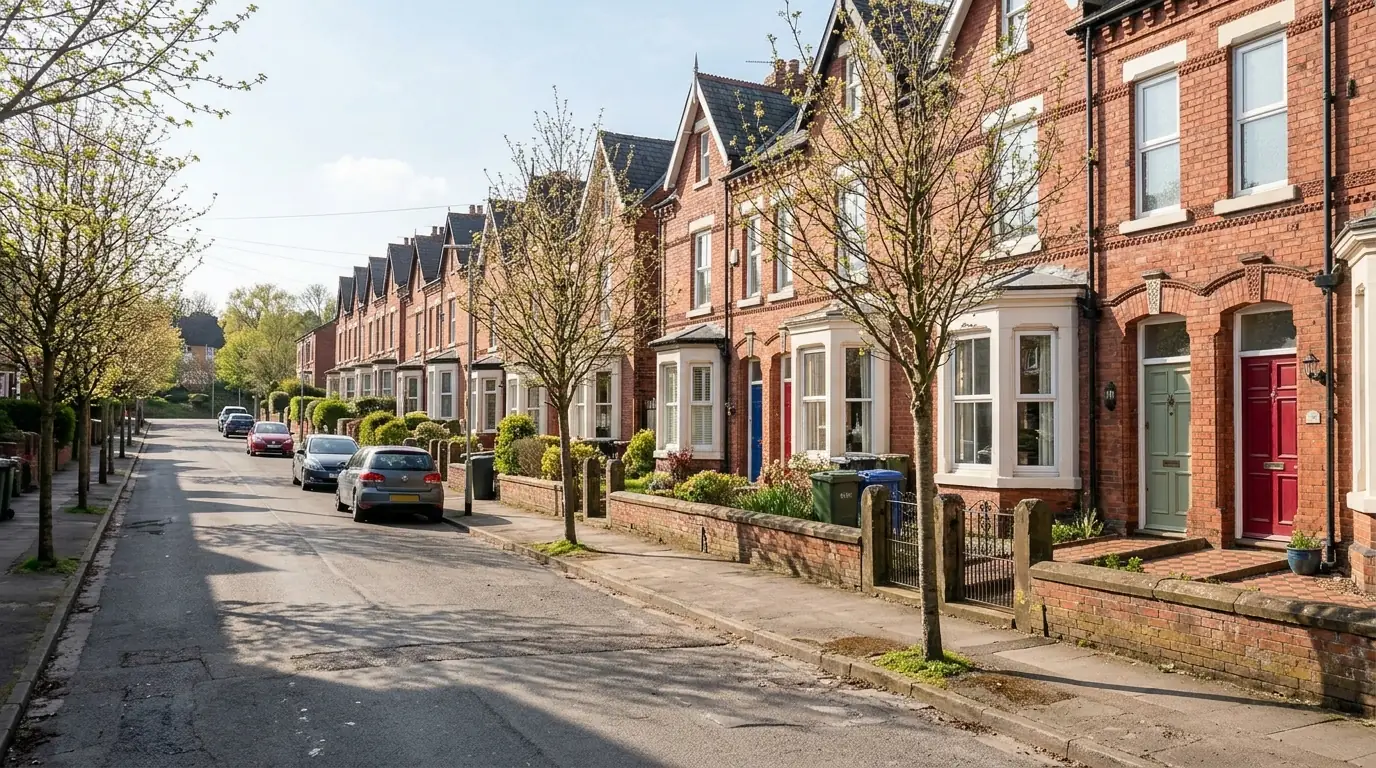
Make it look like yours. Use your own colours and logo so that, after a few months, people recognise your update before they have read a word of it. A photo of a street in your patch beats a stock skyline from somewhere else, and nobody has ever stopped scrolling for a generic picture of a house with a graph on top.
Write the caption for a phone screen: the finding in the first line, what it means in the second, your question in the third. Anyone who wants more can open the full report.
Finish with a question, and keep the shape the same
End with one question a homeowner can answer in a comment, or a link to the full report for anyone who wants more. Use the same shape every time, on roughly the same day: finding, what it means, what you saw, question. Regular readers learn to look for it.
Market Trak writes the update from local property market data for any postcode, as part of a week of posts about your patch, and the full report opens once a reader leaves their details. Everyone who does gets a market update from you every month after that. We cover how those readers become valuations on our lead generation for estate agents page, and how the update fits into a whole week of posts in what to post each week.